Modela

Improving methane conversion efficiency and biological resilience in a food-waste anaerobic digester

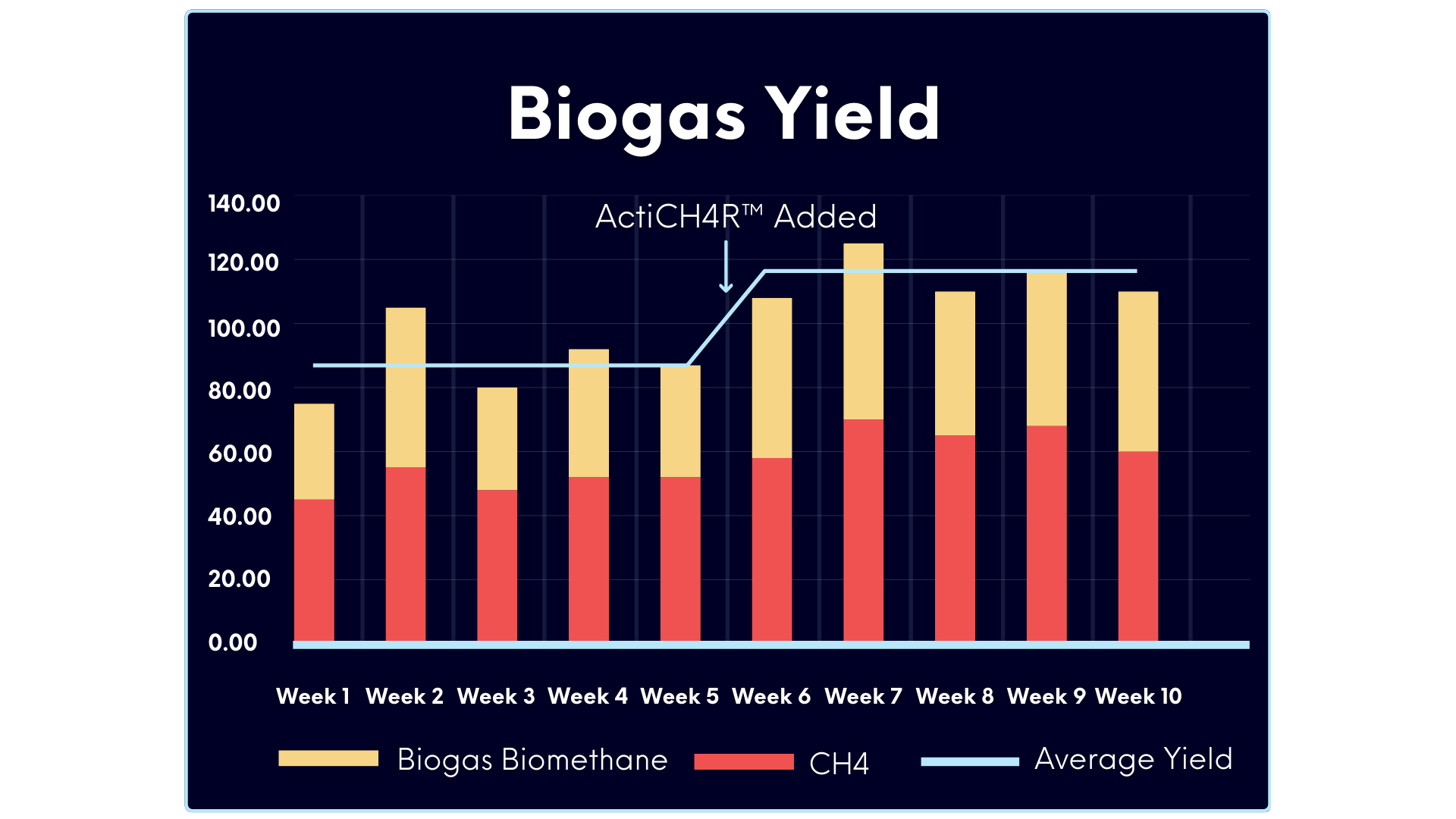
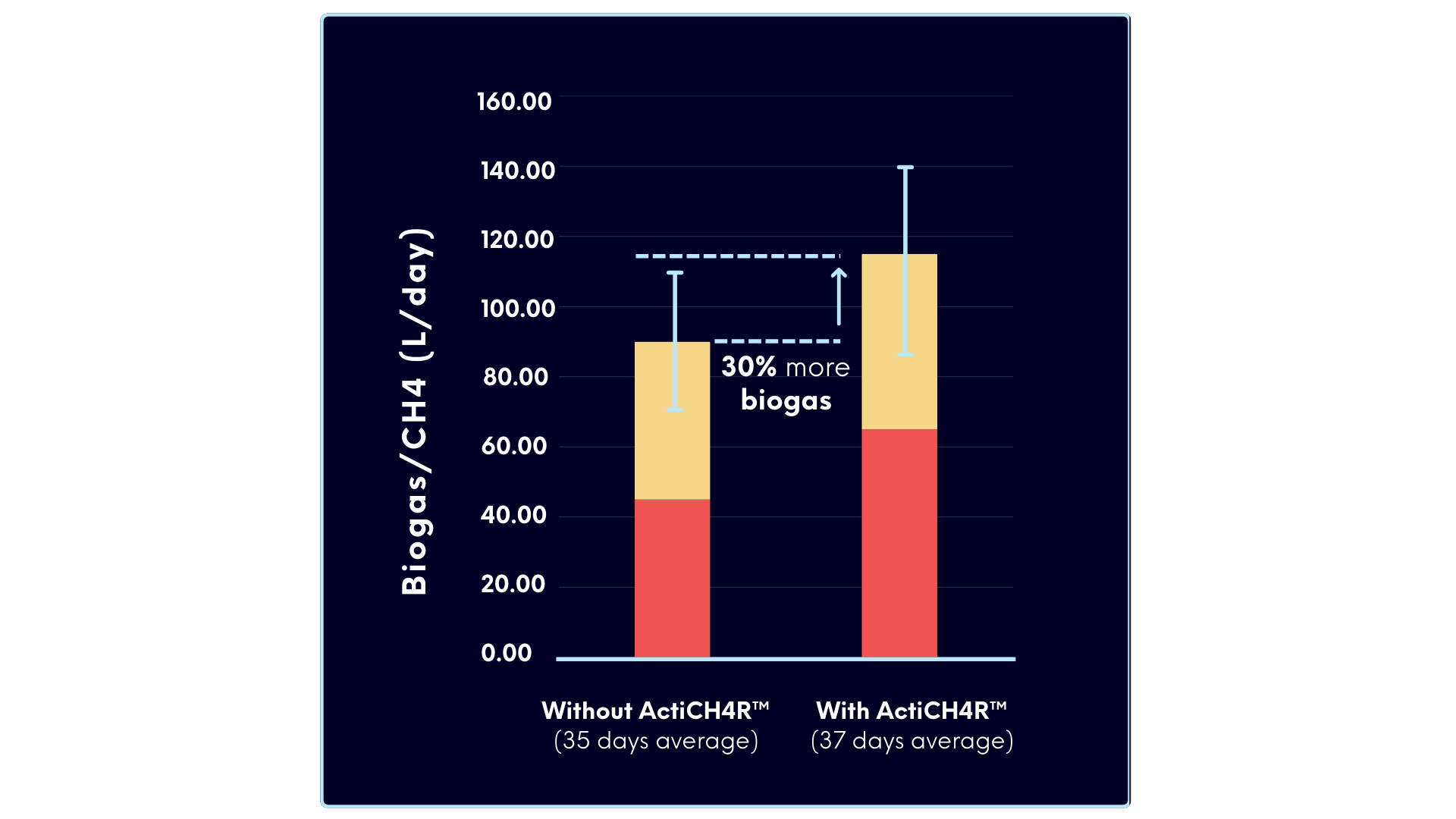
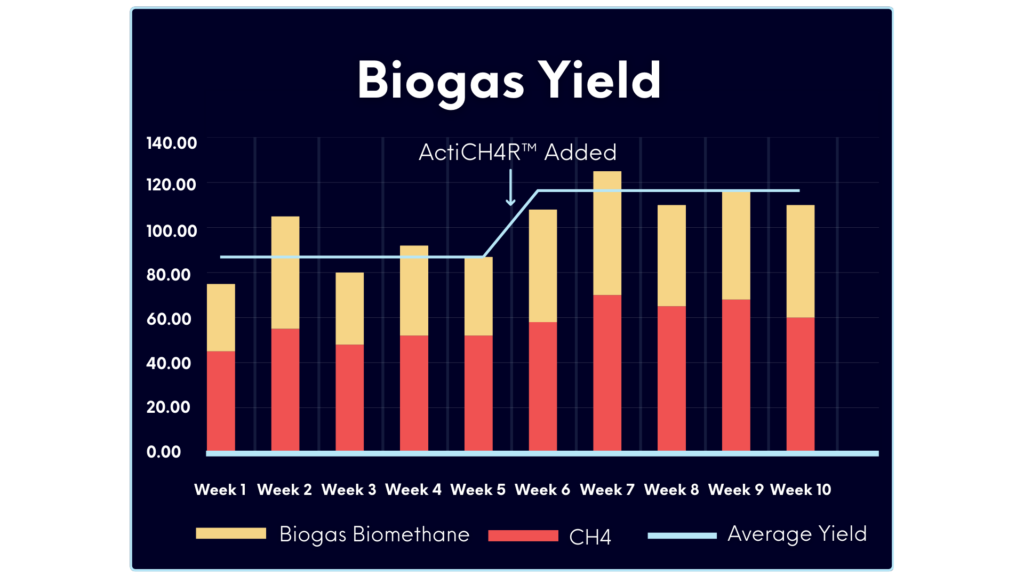
28% increase in Biogas

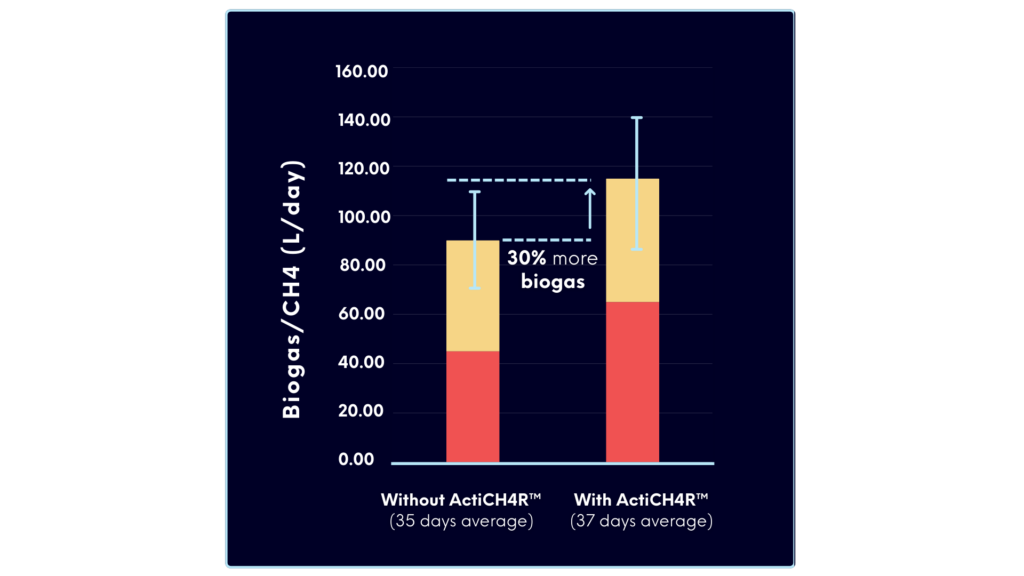
28% uplift in biogas production compared with operation without ActiCH4R™

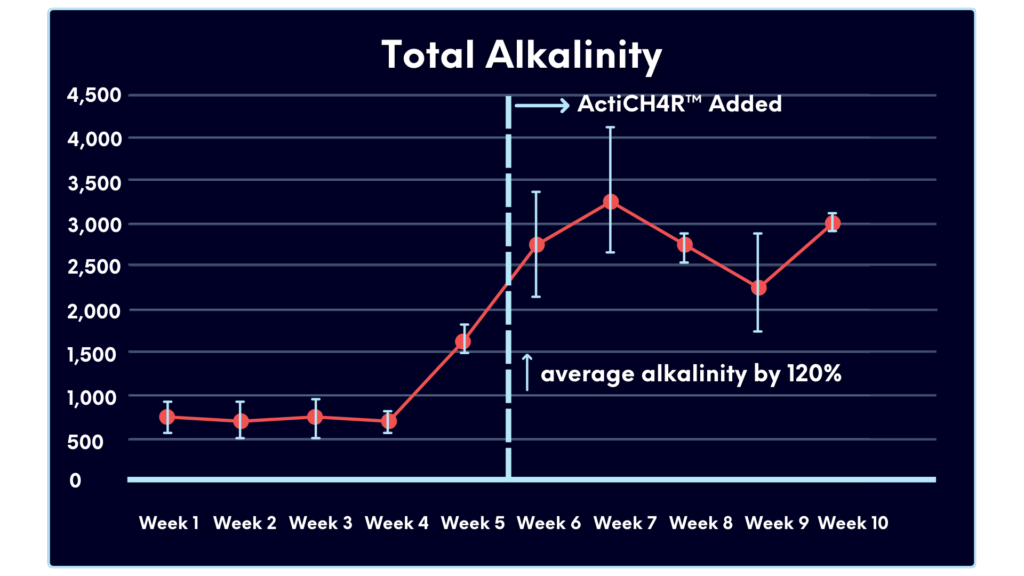
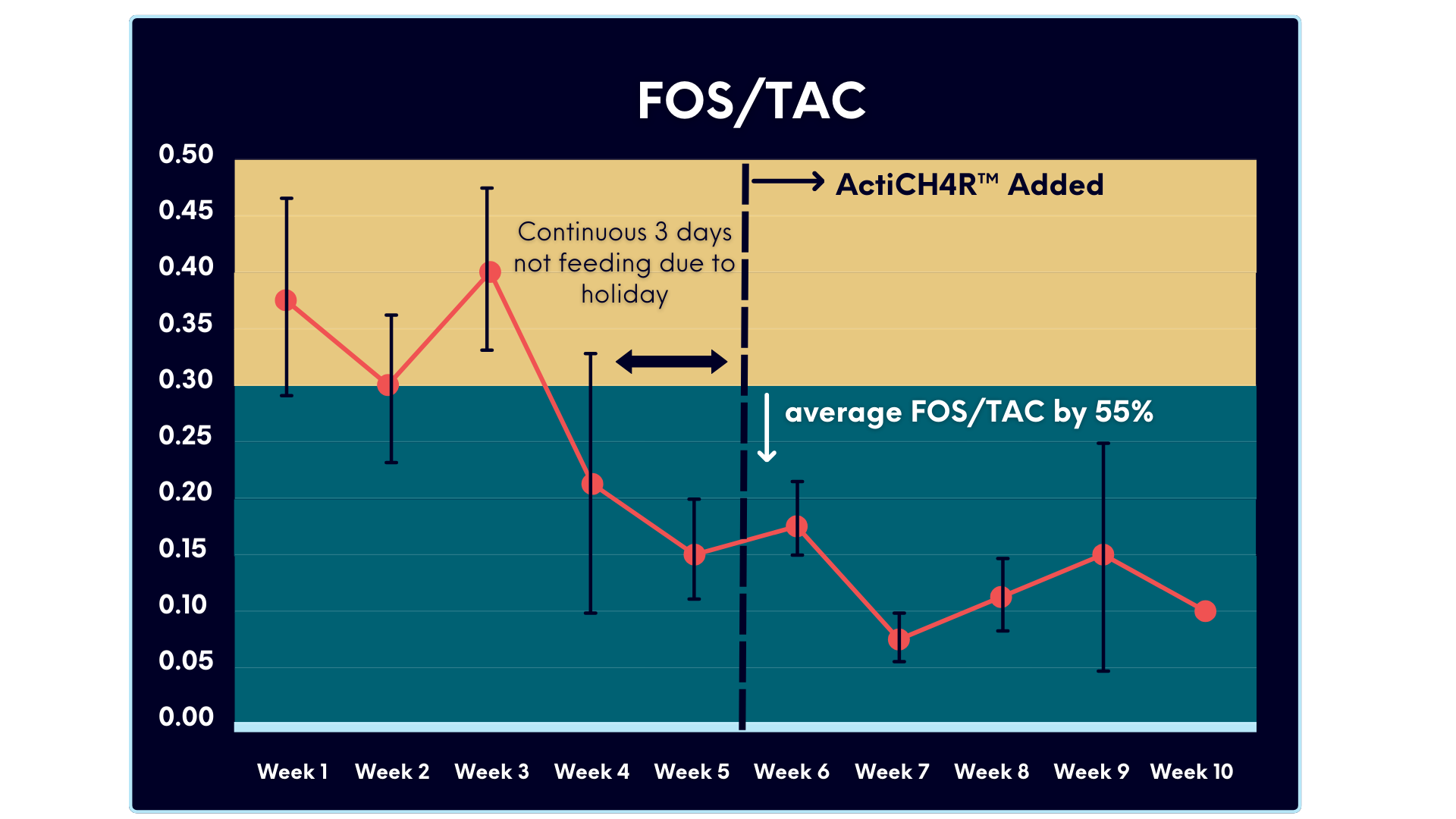
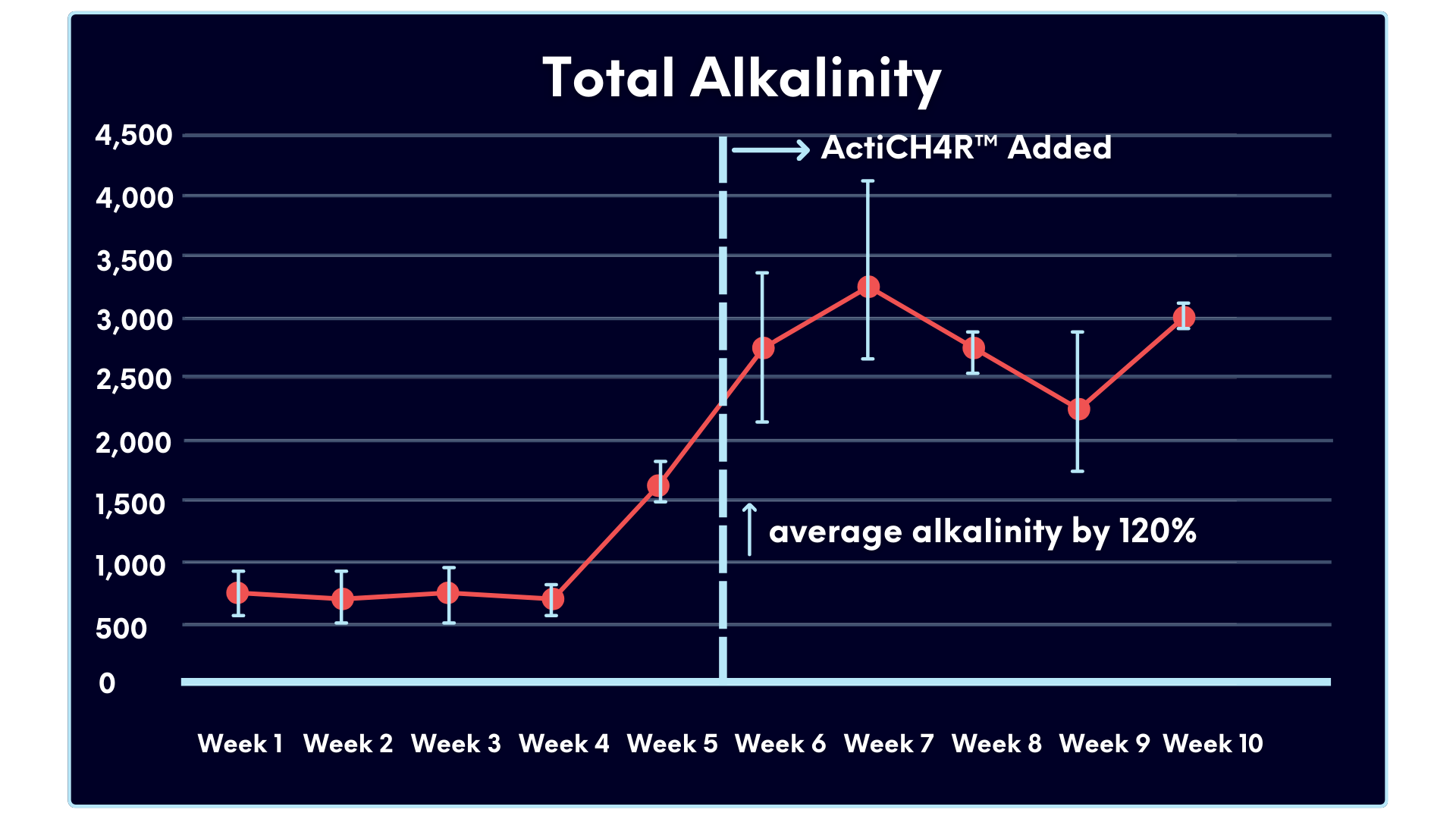
FOS/TAC reduced by ~55%

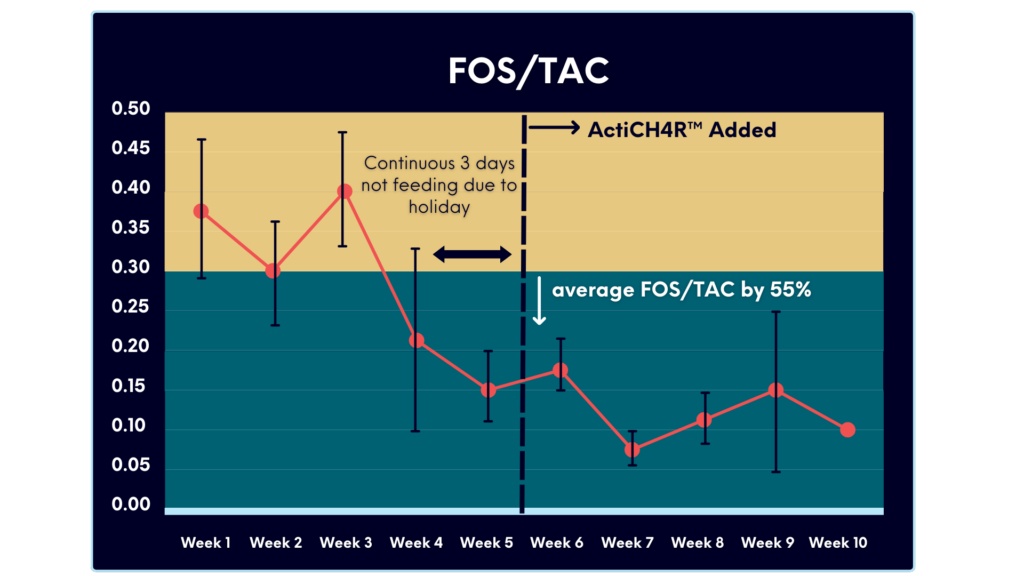
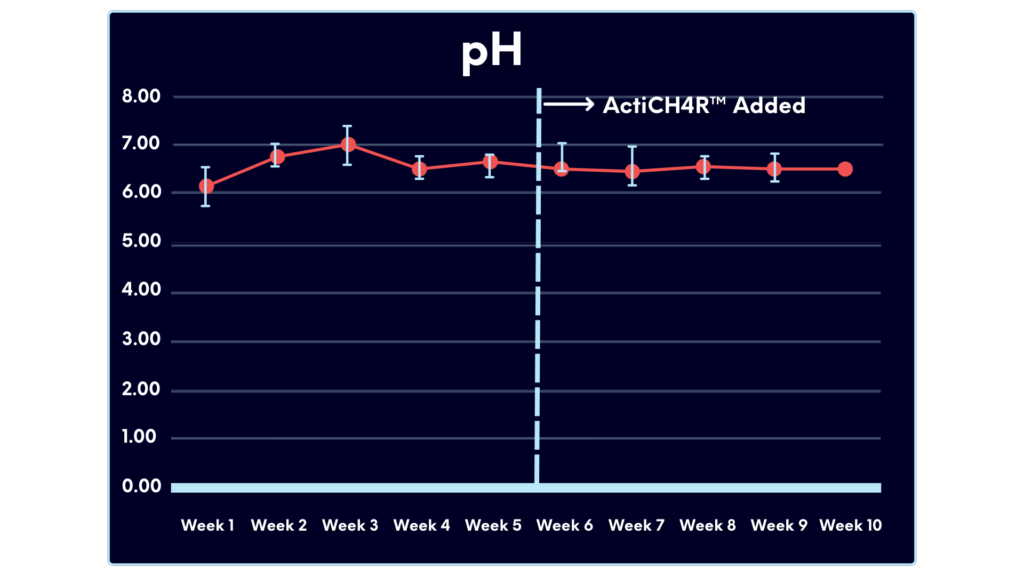
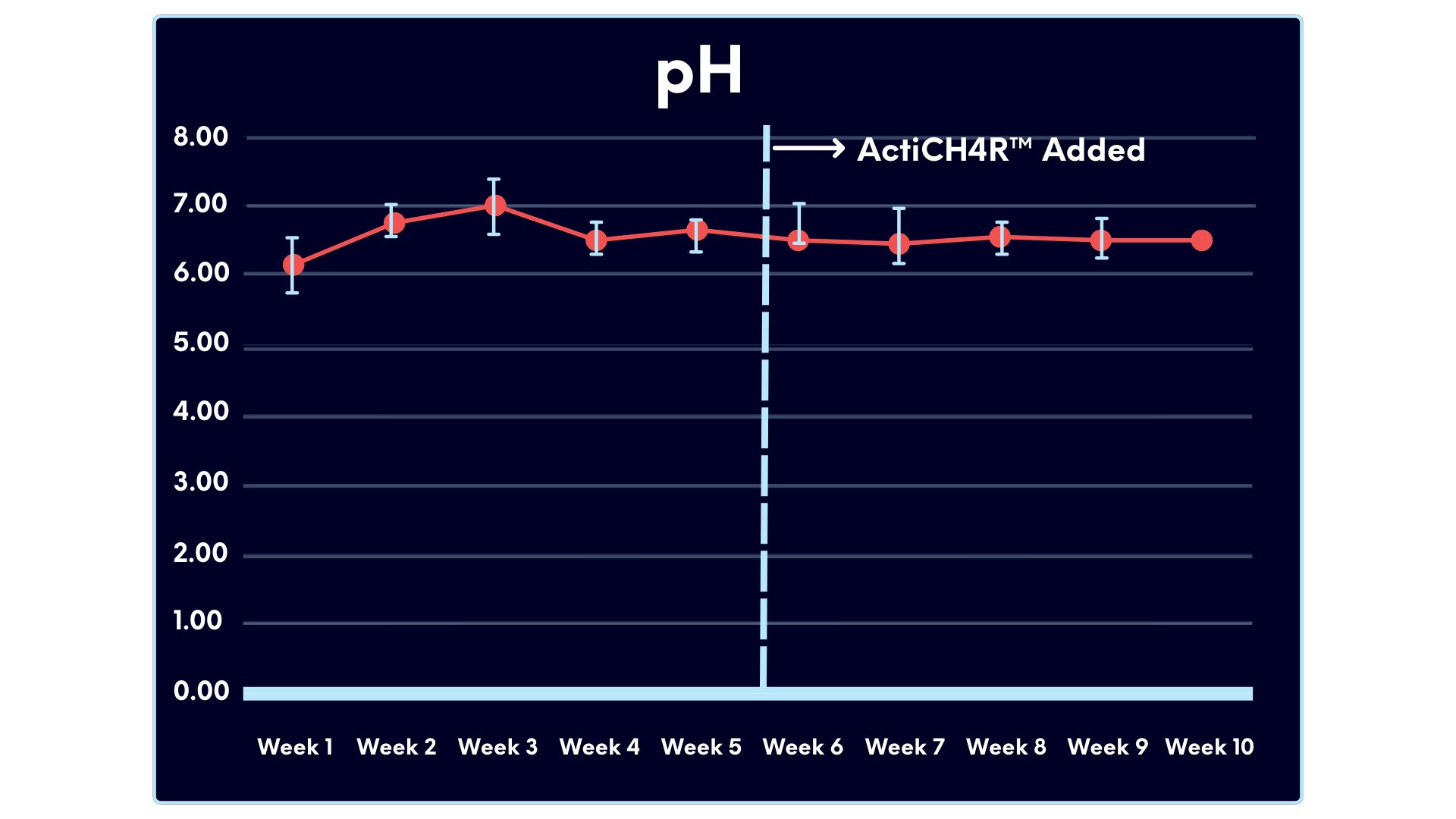
FOS/TAC reduced by ~55% on average, indicating improved process stability Stable pH was maintained despite lower operating temperatures

Page Contents

The Problem

ActiCH4R™, RAFT Energy’s activated and modified biochar catalyst, was introduced into the digester to support the microbiology and improve process resilience.

During the monitoring period, the plant experienced challenging ambient temperatures in Santiago, Chile, alongside a heating system failure in week 9, increasing the risk of biological stress and reduced methane conversion efficiency.

Maintaining stable conversion while maximising throughput was a key operational challenge.

Solution

ActiCH4R™, RAFT Energy’s activated and modified biochar catalyst, was introduced into the digester to support the microbiology and improve process resilience.

ActiCH4R™ is designed to:
– Provide a high-surface-area habitat for anaerobic microbes
– Support biofilm formation and direct interspecies electron transfer (DIET)
– Buffer chemical stress by adsorbing inhibitory compounds

This allowed operators to observe how the biology responded to changes in organic loading in real time, rather than reacting after instability had already occurred.

Results

Following the introduction of ActiCH4R™, Modela observed multiple indicators of improved biological performance:

~28% uplift in biogas production compared with operation without ActiCH4R™
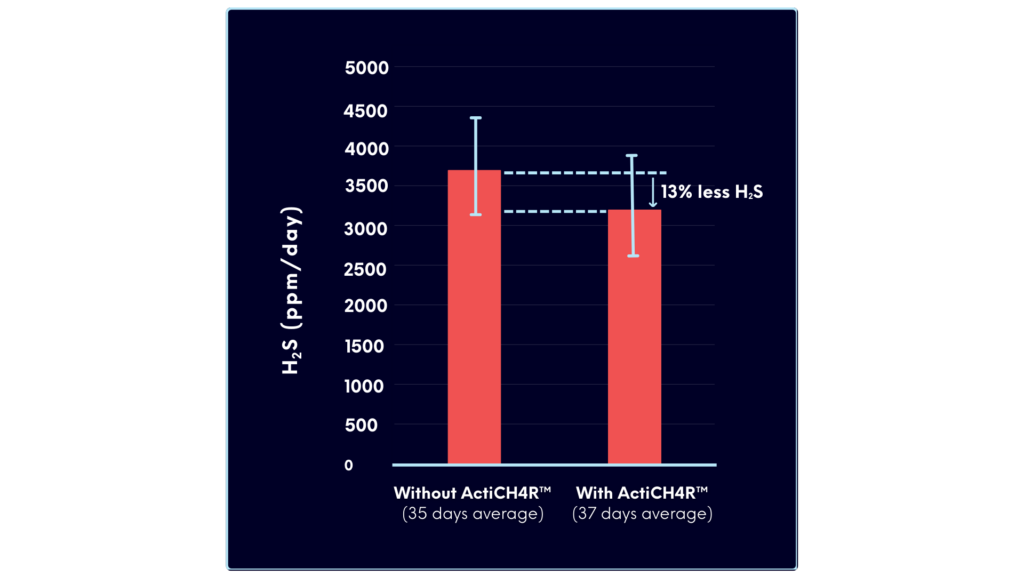
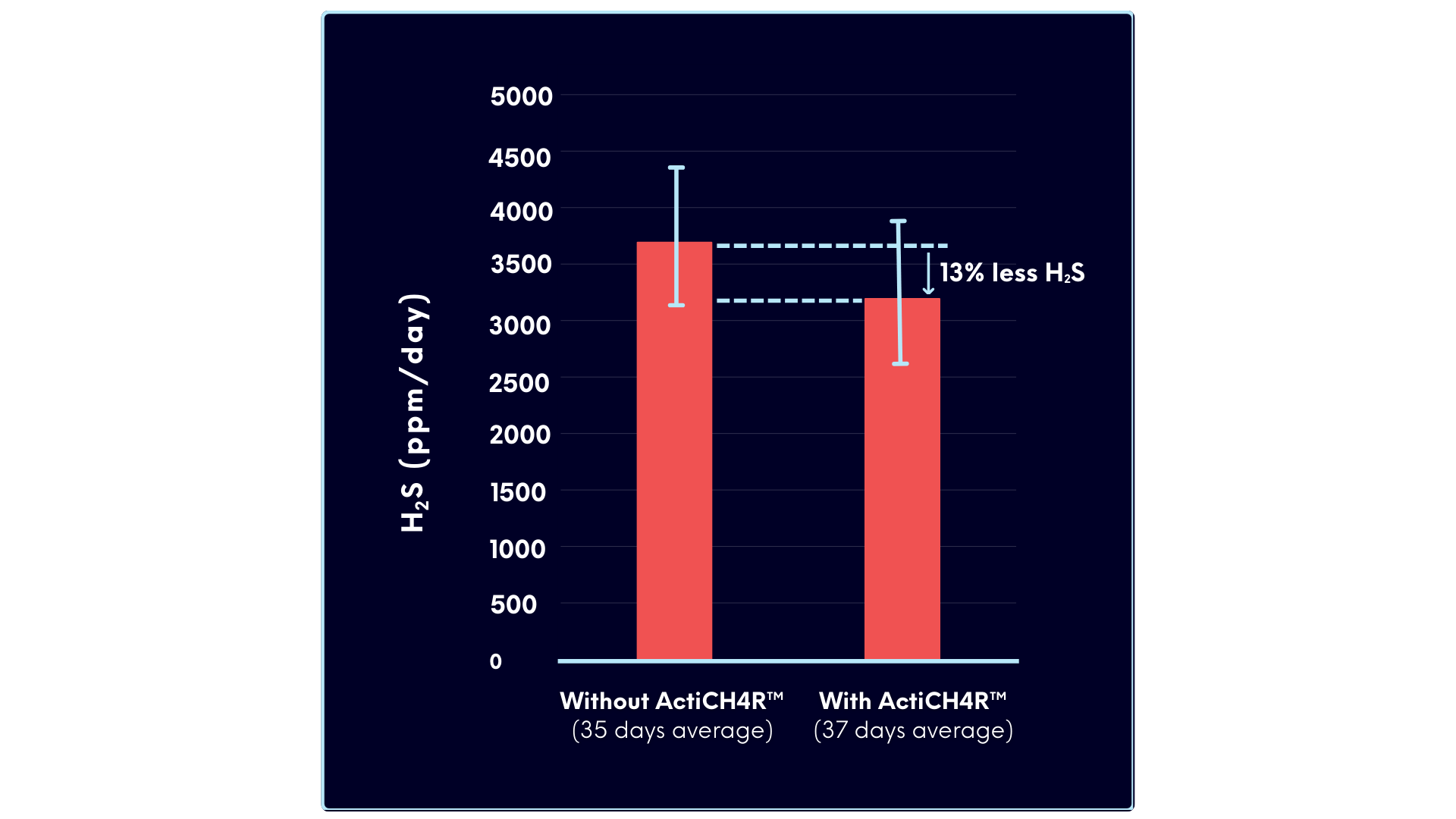
Hydrogen sulphide (H₂S) reduced by ~13% on average
FOS/TAC reduced by ~55% on average, indicating improved process stability
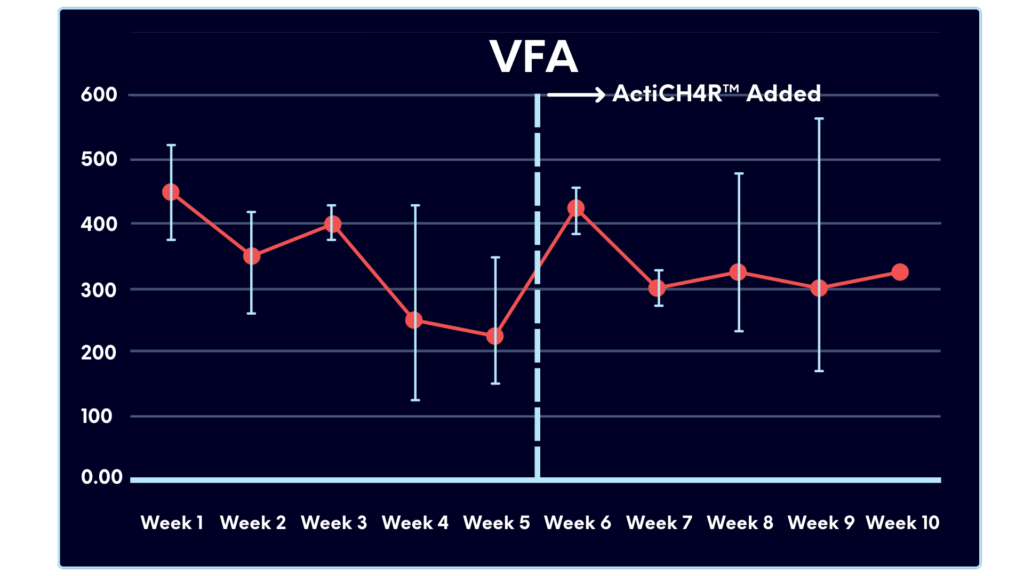
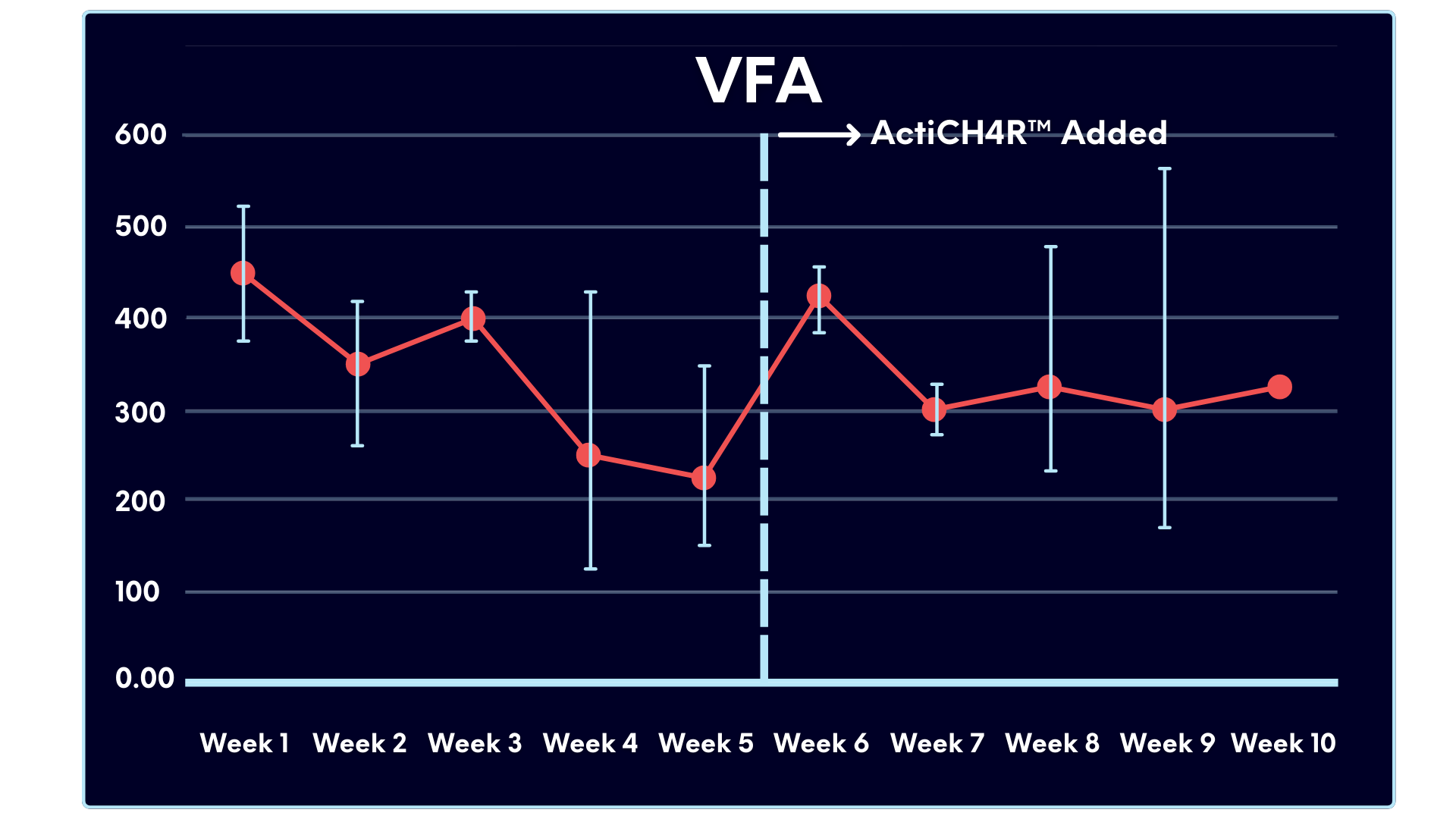
– Stable pH was maintained despite lower operating temperatures

These outcomes were observed despite cold ambient conditions and a temporary heating failure, highlighting increased system robustness.

Before & After

Before

Lower biogas and methane output under baseline loading
Higher H₂S formation
Elevated FOS/TAC indicating chemical stress

After

Higher biogas and methane conversion efficiency
Reduced sulphur formation
Demonstrated ability to tolerate increased organic loading

Data

Following the introduction of ActiCH4R™, Modela observed a 28% uplift in biogas production, alongside improved methane conversion efficiency and greater biological stability under non-ideal operating conditions.

Yield performance

  • 28% higher biogas output observed with ActiCH4R™ compared with baseline operation

Sulphur and stability indicators

  • Average H₂S reduced by ~13% with ActiCH4R™
  • Average FOS/TAC reduced by ~55%
  • pH remained stable throughout the monitoring period

Organic loading rate (OLR) response — trial-specific

  • A 25% increase in OLR resulted in stable chemistry, (pH, FOS/TAC)
These results indicate that, within this trial, ActiCH4R™ was associated with greater biological resilience, enabling higher loading potential.

Results are site-specific and influenced by operating conditions, feedstock characteristics, and system design.

Register Your Interest in ActiSense

Get in touch with RAFT Energy to learn how ActiSense can help you detect imbalance, optimise organic loading, and maximise biogas yield.

We use cookies to improve your experience, analyse traffic, and support marketing. By continuing to browse, you consent to our use of cookies.