

Foaming in anaerobic digesters is one of the most disruptive operational issues in biogas production.
It is immediate, visible, and difficult to ignore.
Foam can accumulate rapidly, reduce effective digester volume, interfere with mixing and gas release, and in severe cases lead to overflow, contamination, or unplanned shutdown.
Despite its visibility, foaming is often treated as a surface-level issue — something to suppress rather than understand.
In practice, foam is not the problem itself.
It is the result of underlying biological and chemical imbalances within the digestion process.
What Causes Foaming in Biogas Digesters
Foaming occurs when gas becomes trapped within a stable matrix of solids, surfactants, and microbial by-products.
This typically requires three conditions:
- gas production
- surface-active compounds
- physical structure to stabilise bubbles
All three are present in anaerobic digestion systems.
The question is not why foam can form, but why it becomes excessive under certain conditions.
Biological Imbalance
The most common driver of persistent foaming is an imbalance within the microbial system.
When digestion is stable, gas production and substrate breakdown occur in equilibrium. When this balance is disrupted, intermediate compounds can accumulate and alter the physical properties of the digestate.
These changes can increase viscosity and promote foam stability.
In many cases, this imbalance develops before any visible symptoms appear.
Rapid Changes in Feedstock
Foaming is frequently associated with changes in feedstock composition.
High-fat, high-protein, or easily degradable materials can increase the production of surface-active compounds and accelerate gas generation.
If these inputs are introduced too quickly, the microbial community may not be able to adapt, leading to instability and foam formation.
This is particularly common in co-digestion systems where feedstock variability is high.
Accumulation of Intermediates
The build-up of volatile fatty acids and other intermediates can contribute to foaming by:
- altering liquid properties
- increasing microbial stress
- disrupting gas release dynamics
While VFAs are often monitored, their role in foaming is not always fully understood.
Foam is often observed only after accumulation has reached a level where physical effects become visible.
Operational and Mechanical Factors
Mixing intensity, temperature gradients, and digester design can all influence foam formation.
Insufficient mixing can allow gas pockets to accumulate, while excessive mixing can stabilise foam by dispersing solids and surfactants.
These factors can amplify underlying biological issues, but they are rarely the root cause.
Why Foaming Is a Serious Risk
Foaming is not simply a nuisance. It has direct operational and economic consequences.
These include:
- loss of effective digester volume
- reduced gas collection efficiency
- increased wear on mixing and pumping equipment
- risk of overflow and contamination
- potential for unplanned shutdown
In large-scale facilities, severe foaming events can lead to prolonged outages and significant recovery costs.
At a co-digestion facility operating under variable feedstock conditions, early-stage biological stress was detected prior to visible foaming. Intervention at this stage prevented escalation into a full process imbalance, avoiding downtime and associated financial impact.
This highlights a key point:
by the time foam is visible, the underlying issue is already well developed.
Why Conventional Responses Often Fall Short
Typical responses to foaming include:
- adding anti-foaming agents
- reducing loading rates
- adjusting mixing regimes
These measures can reduce foam in the short term, but they do not necessarily resolve the underlying cause.
Anti-foaming agents, for example, suppress the symptom without improving biological performance. Similarly, reducing loading may stabilise the system temporarily but can limit plant throughput.
As a result, plants may experience recurring foaming events under similar conditions.
Moving from Suppression to Prevention
Effective foaming management requires a shift in approach.
Instead of reacting to visible foam, operators need to identify the biological conditions that lead to its formation.
This is where real-time biological monitoring becomes important.
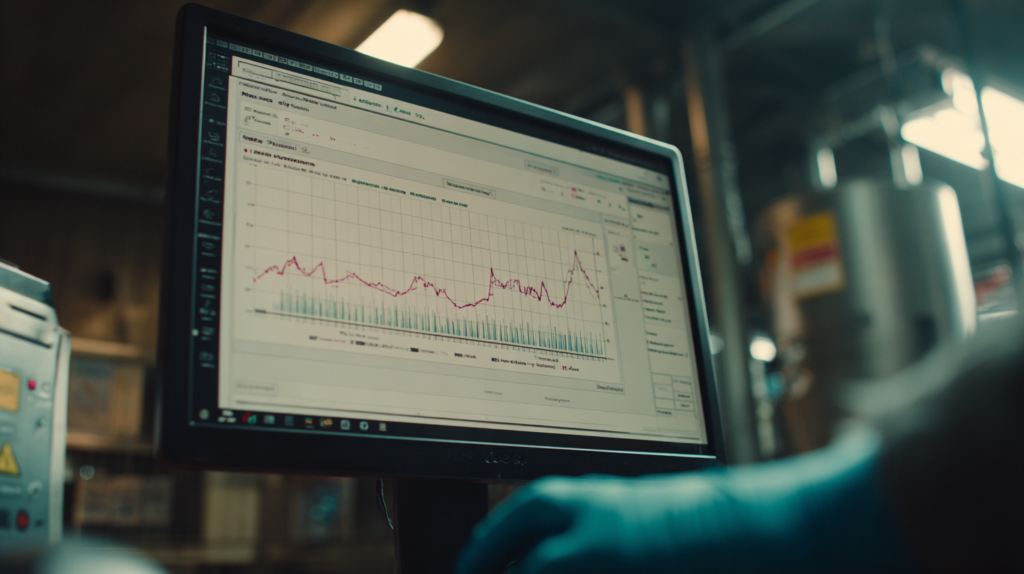
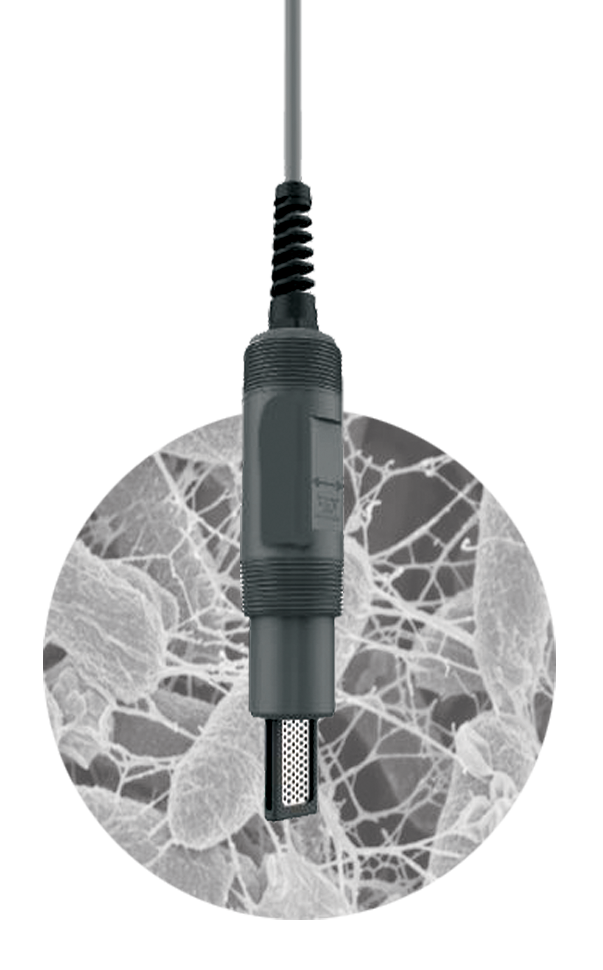
Systems such as ActiSense provide continuous insight into microbial activity and consumable VFA dynamics within the digester. This allows operators to detect developing imbalance before it manifests as foam.
In practice, this enables earlier intervention:
- adjusting loading before instability escalates
- identifying problematic feedstock inputs
- maintaining stable microbial conditions
At a facility processing highly variable organic waste streams, real-time biological monitoring enabled operators to observe how the system responded to challenging inputs. Even when elevated stress signals were detected, proactive management allowed the digester to remain stable and avoid foaming-related disruption.
From Stability to Improved Performance
Once the conditions that lead to foaming are controlled, the system can be optimised more effectively.
Foaming is often associated with inefficient conversion and microbial stress. Addressing these underlying factors not only reduces the risk of foam formation but also improves methane yield and overall process efficiency.
Biological optimisation approaches such as ActiCH4R™ support this by enhancing microbial activity and improving conversion efficiency.
In a food-waste digestion system operating under variable and non-ideal conditions, improved biological performance was associated with:
- increased biogas and methane production
- reduced indicators of chemical stress
- greater resilience to fluctuations in operating conditions
These outcomes demonstrate that preventing foaming is not only about avoiding disruption, but about enabling consistent, high-level performance.
Practical Steps to Manage and Prevent Foaming
Across different plant configurations, several principles consistently apply:
- Monitor biological conditions continuously
Early detection provides the greatest opportunity to prevent escalation. - Control feedstock variability
Introduce changes gradually and understand their impact on the system. - Avoid relying solely on chemical suppression
Address the underlying biological cause rather than the visible symptom. - Optimise microbial performance
Improving conversion efficiency reduces the conditions that lead to foam formation.
Conclusion
Foaming in anaerobic digestion is a visible symptom of an invisible process.
It reflects underlying biological imbalance, often driven by changes in feedstock, inhibition, or inefficient conversion.
Treating foam at the surface level may provide temporary relief, but long-term stability requires understanding and managing the system beneath it.
Plants that successfully avoid recurring foaming issues are not simply reacting faster.
They are identifying the conditions that lead to foam formation and addressing them earlier.
For operators experiencing foaming, the most effective approach is not just to remove it, but to understand why it is forming.
From there, both stability and performance can be improved in a controlled and repeatable way.
Benjamin Pluke
CEO, RAFT Energy