


Where can biogas go in the future? It’s a question I think about every day.
The reason is simple: human beings will produce waste for our entire lives. As long as we eat, farm, and live in communities, organic waste will exist. And the organic portion of that waste is not benign — it is a biohazard.
Left unmanaged, it emits methane, harms ecosystems, and undermines both environmental and human health.
In the biogas sector, we see that reality differently.
From Biohazard to Resource
Organic waste is often treated as a liability — something to be disposed of, diluted, or hidden away.
In biogas, we recognise it for what it really is: a source of wealth.
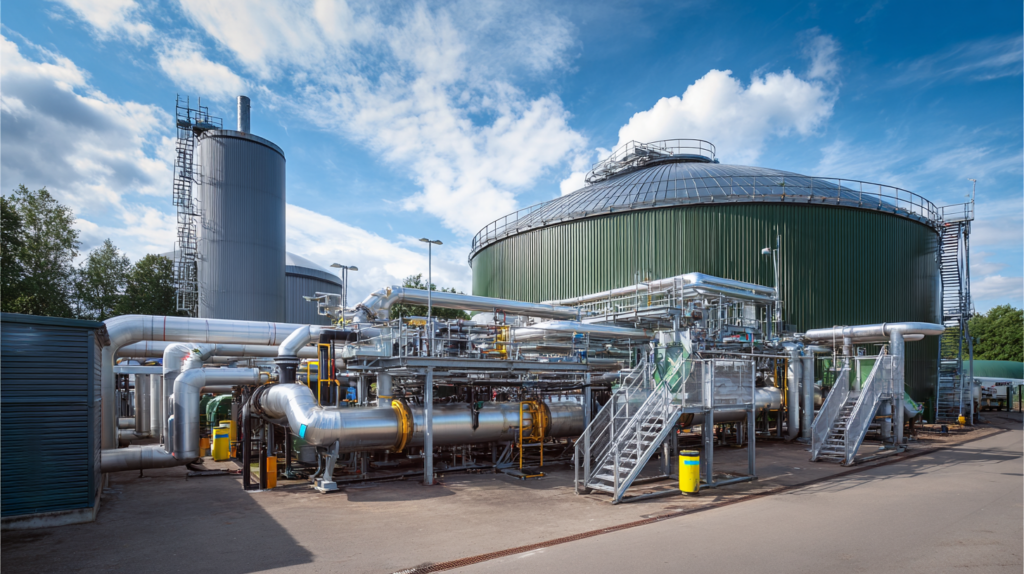
When unavoidable organic waste enters a biogas plant, it stops being a problem and becomes a solution. Methane that would otherwise escape into the atmosphere is captured and converted into renewable natural gas — energy that can be produced locally, reliably, and at scale.
The outcomes are immediate and tangible:
- Better waste management
- Stronger energy security
- Cleaner air and water
- Reduced dependence on imported fossil fuels
And this is true wherever people live.
Energy, Waste, and Security — Linked by Design
Every economy depends on energy to function and grow.
The cheaper, more secure, and more sustainable that energy is, the stronger that economy becomes.
Biogas sits at the intersection of these needs.
It transforms a growing societal challenge — waste — into a distributed energy resource that exists everywhere humanity exists.
That’s why biogas is not a niche technology.
It’s a foundational one.
The Overlooked Half of the System: Digestate
One of the most underappreciated aspects of biogas is what comes after gas production.
Digestate — the by-product of anaerobic digestion — has historically been treated as a secondary issue. With modern technology, that view no longer holds.
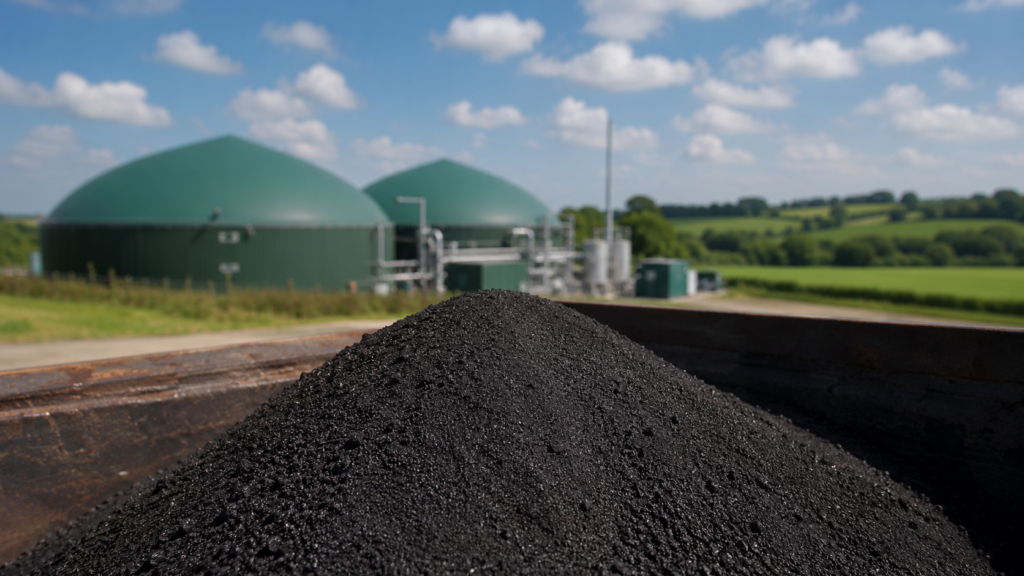
Improved plant design and products such as ActiCH4R™ allow digestate to become a premium fertiliser. One that:
- Offsets synthetic fertilisers made from fossil fuels
- Improves soil structure and nutrient availability
- Supports long-term soil health and water management
At a time when soil degradation threatens food security across the world, digestate offers a regenerative alternative that strengthens agriculture rather than depleting it.
This is where biogas moves beyond energy and into food resilience.
A Circular System That Teaches Itself
Biogas connects three fundamentals of civilisation:
- Waste
- Energy
- Food
As utilisation grows, the system becomes intuitive.
Waste becomes energy.
Energy supports communities.
Digestate feeds soils.
Soils grow food.
In the future, this will not feel novel. It will feel normal.
Children will be taught that the waste from their homes becomes the energy that heats them — and the fertiliser that grows their food. What is currently a drag on society becomes a shared asset.
What Full Utilisation Makes Possible
Some countries already demonstrate what happens when biogas is taken seriously.
With full utilisation of organic waste, countries like Poland could supply household energy entirely from domestically produced biomethane. Similar opportunities exist across Europe and globally.
This isn’t theoretical.
It’s an engineering and deployment challenge — not a scientific one.
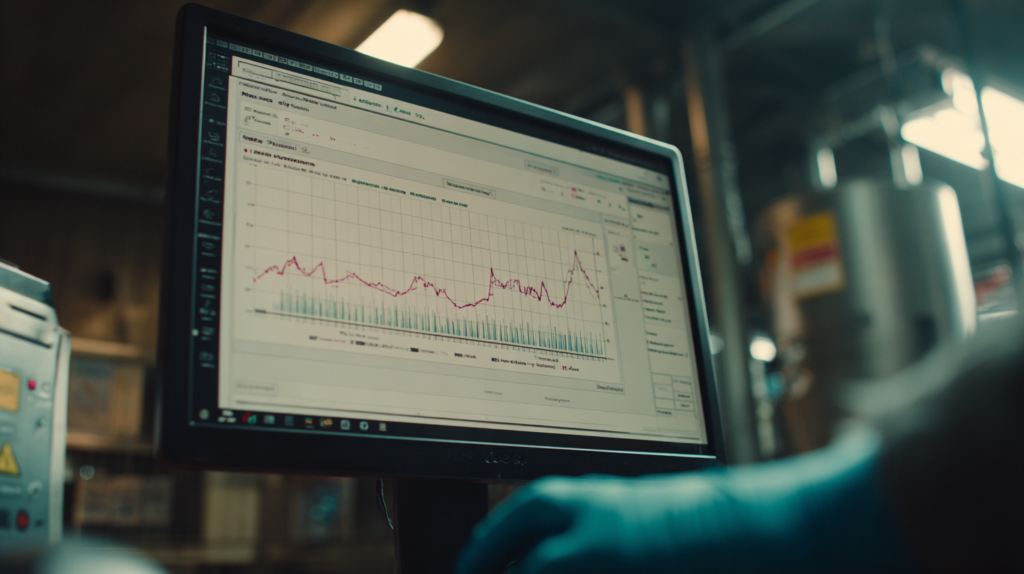
And when biogas systems are combined with modern biological enhancement, monitoring, and circular design, the impact goes further still.
Beyond Net Zero
With full utilisation of organic waste and today’s available technologies — including ActiCH4R™ and many other excellent innovations emerging across the sector — biogas doesn’t stop at net zero.
By preventing methane emissions, replacing fossil gas, and returning stable carbon and nutrients to soils, biogas has the potential to deliver net-negative outcomes.
That future is not abstract.
It is tangible.
It is real.
And it is within reach.
Benjamin Pluke
CEO, RAFT Energy