

Low gas production is rarely a sudden failure.
More often, it is a gradual decline that becomes visible only after performance has already been compromised. Daily output begins to soften. Methane concentration drifts. Retention times stretch. Operators adjust loading rates or introduce additional inputs, yet the underlying issue persists.
This is what makes low gas production particularly difficult to manage. By the time it is clearly observable in standard plant data, the root cause is no longer emerging — it is established.
Understanding why this happens requires looking beyond surface-level indicators and into the biological system itself.
What Low Gas Production Actually Represents
At its core, low gas production is not typically a feedstock availability issue. In most cases, plants are receiving consistent or even increased volumes of organic material.
The problem is conversion.
Anaerobic digestion is a biological process. Its efficiency depends on how effectively microbial communities convert organic matter into methane. When that conversion becomes impaired, gas output declines — even when inputs remain stable.
This is why two plants operating on similar feedstocks can produce markedly different outputs. The difference is not what enters the system, but how well the biology is performing inside it.
The Underlying Causes of Reduced Output
Biological Stress and Community Disruption
Microbial populations within a digester operate in a delicate balance. Small changes in operating conditions can shift that balance in ways that are not immediately visible.
Variations in feedstock composition, changes in loading rate, temperature fluctuations, or the introduction of inhibitory compounds can all alter microbial behaviour. These changes occur at the metabolic level before they translate into measurable process indicators.
By the time gas output begins to fall, the microbial community has already adapted — often in a way that reduces methane production efficiency.
Ammonia Inhibition and Sub-Optimal Performance
Ammonia is one of the most common contributors to reduced gas production in anaerobic digestion systems.
At elevated concentrations, free ammonia begins to inhibit methanogenic activity. Unlike acute process failures, this does not always result in a sudden collapse. Instead, plants often experience prolonged periods of underperformance, where gas production remains consistently below potential.
This creates a particularly challenging situation for operators. The plant continues to function, but at a reduced level of efficiency that may not be immediately attributed to ammonia inhibition.
VFA Accumulation and Imbalanced Conversion
Volatile fatty acids (VFAs) are a natural intermediate in the digestion process. Under stable conditions, they are produced and consumed in balance.
When this balance is disrupted, VFAs begin to accumulate. This is a clear indication that the conversion process is no longer functioning efficiently.
However, the way VFAs are typically monitored introduces a critical limitation. Testing is often periodic, rather than continuous. As a result, elevated levels are detected only after accumulation has occurred, rather than during the early stages of imbalance.
In practice, this means operators are often responding to a situation that has already developed, rather than preventing it.
Why Standard Monitoring Approaches Struggle
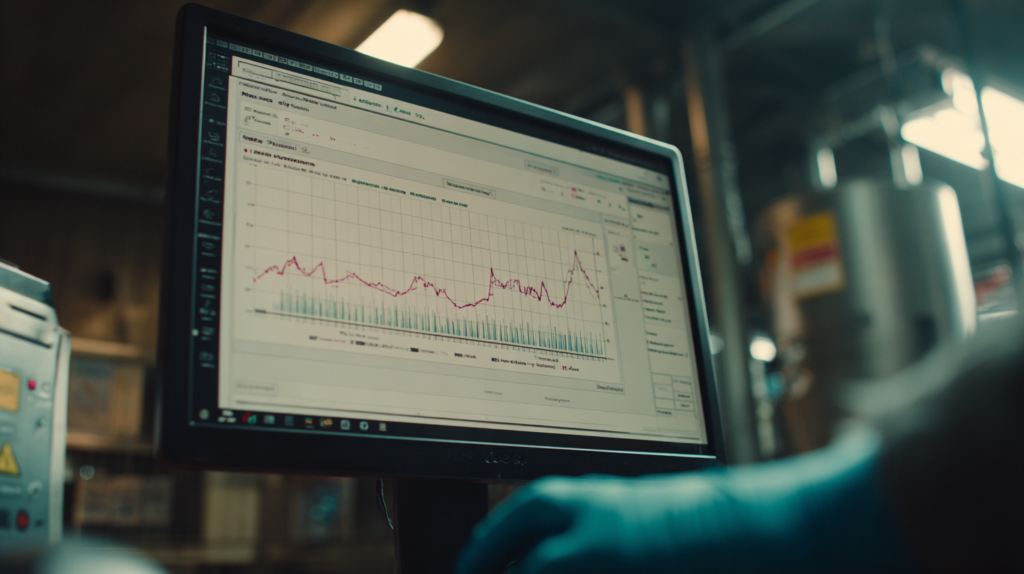
Most biogas plants rely on a combination of gas output, methane concentration, pH, and periodic laboratory testing to assess performance.
These metrics are essential, but they share a common characteristic: they are retrospective.
Gas output reflects what has already been produced. Methane concentration indicates the result of prior biological activity. Laboratory tests provide snapshots at specific points in time.
What they do not provide is continuous visibility into how the biological system is behaving as conditions evolve.
This creates a gap between cause and effect. The biological changes that drive performance occur first. The indicators used to monitor them appear later.
That delay is where efficiency is lost.
Moving from Reaction to Understanding
Addressing low gas production is not simply a matter of reacting more quickly to changes in plant data. It requires a shift in how those changes are detected in the first place.
When operators can observe biological behaviour directly — rather than inferring it from delayed indicators — they gain the ability to intervene earlier and with greater precision.
Early-stage detection allows for adjustments before inefficiencies become embedded in the system. It reduces the need for reactive measures and creates a more stable operating environment.
In this context, monitoring is no longer just about tracking performance. It becomes a tool for maintaining it.
From Visibility to Optimisation
Once the biological system is understood and stabilised, improving output becomes significantly more predictable.
At this stage, optimisation strategies can be applied with confidence. Rather than adding inputs in response to declining performance, operators can enhance the efficiency of the conversion process itself.
This is where biological enhancement approaches, such as ActiCH4R™, become relevant. By supporting microbial activity and improving conversion efficiency, they allow plants to extract more energy from the same feedstock.
A More Complete Approach to Performance
Across the industry, there is a gradual shift towards combining two capabilities:
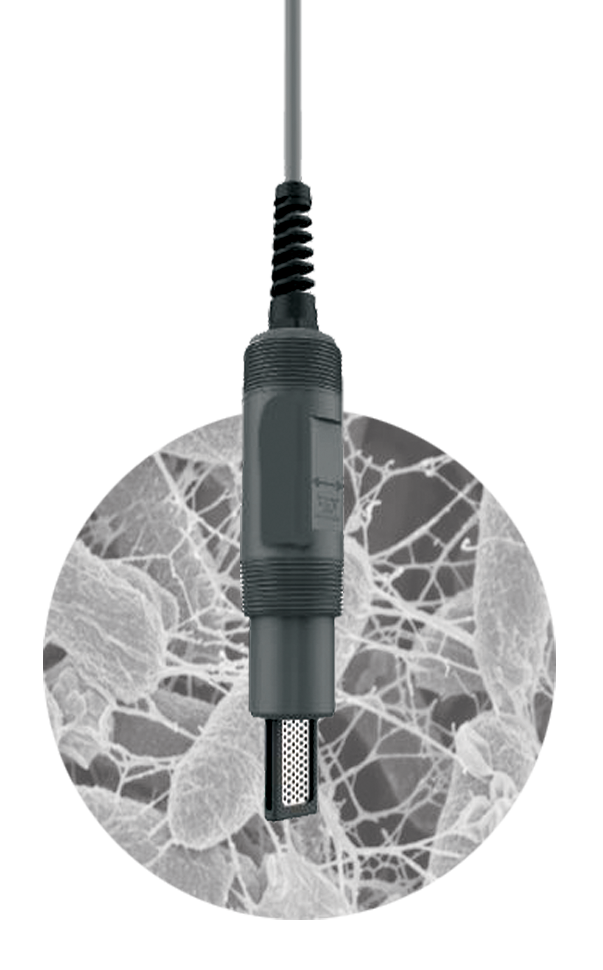
- continuous visibility into biological behaviour (ActiSense)
- targeted optimisation of microbial performance (ActiCH4R™)
Together, these allow operators to move beyond reactive management and towards controlled, repeatable outcomes.
Low gas production is no longer treated as an isolated issue to be corrected after the fact. It becomes part of a broader system in which performance can be monitored, understood, and improved over time.
Conclusion
Low gas production is rarely caused by a single factor. It is the result of changes within a biological system that are often invisible until their effects become measurable.
Plants that consistently achieve higher output are not simply operating under better conditions. They are operating with a clearer understanding of what is happening inside their digesters, and acting on that understanding early.
As the sector continues to evolve, the ability to see and optimise biological performance will become less of a differentiator and more of a requirement.
For operators looking to improve output, the starting point is not necessarily changing what goes into the system, but gaining better visibility into how it is performing.
From there, optimisation becomes a question of precision rather than trial and error.