

Digester failure in anaerobic digestion is rarely a sudden event.
In most cases, it develops as a gradual decline in biological performance that becomes visible only after system efficiency has already been reduced. Gas production begins to lose consistency. Methane concentration drifts. Intermediate compounds accumulate. Operators adjust loading rates or introduce corrective measures, yet performance does not fully recover.
By the time failure is clearly reflected in standard plant data, the underlying imbalance is no longer emerging. It is established.
Understanding early warning signs requires examining how the biological system changes before these indicators appear.
What Digester Failure Represents
Digester failure is not a single-point event. It is the result of reduced conversion efficiency within a biological system.
Anaerobic digestion depends on a sequence of microbial processes. Hydrolytic and acidogenic organisms break down complex material into intermediate compounds. Acetogenic organisms convert these intermediates. Methanogens produce methane from the resulting substrates.
Under stable conditions, these stages operate at compatible rates.
Failure begins when this relationship is disrupted.
This typically occurs when:
- methanogenic activity declines
- intermediate compounds are produced faster than they are consumed
- microbial populations become imbalanced due to loading, inhibition, or feedstock variation
These changes occur at the metabolic level. They precede measurable changes in gas production, methane concentration, or VFA levels.
Why Early-Stage Failure Is Difficult to Detect
Most monitoring approaches rely on parameters that reflect outcomes rather than active biological conditions.
Gas production reflects completed conversion.
Methane concentration reflects the efficiency of prior biological activity.
VFA testing identifies accumulation after imbalance has already developed.
These measurements are necessary, but they are retrospective.
They create a delay between the onset of biological disruption and its detection.
During this period, the system continues to operate, but at reduced efficiency.
Early Warning Signs Before Digester Failure
Although failure becomes visible through familiar indicators, earlier changes occur in how the system behaves.
Loss of production consistency
The first sign is often not a sustained drop in gas output, but increased variability.
Daily production becomes less stable. Output fluctuates under conditions that previously produced consistent results.
Methane concentration drift
A gradual reduction in methane concentration indicates declining conversion efficiency.
This typically reflects reduced methanogenic activity relative to upstream processes.
Increasing pressure on intermediate conversion
Volatile fatty acids are produced continuously within the system. Under stable conditions, they are consumed at a similar rate.
When conversion slows, pressure builds within this stage of the process.
Periodic testing may not capture this immediately, but the imbalance is already developing.
Reduced tolerance to feedstock variation
A stable digester absorbs variation in feedstock composition and loading.
As biological performance declines, the system becomes more sensitive. Smaller changes produce larger process responses.
Emergence of secondary symptoms
Foaming, poor gas release, or changes in mixing behaviour can develop as imbalance progresses.
At this stage, the system is no longer in early decline. The disruption is established.
The Transition from Decline to Failure
If early-stage changes are not addressed, the system moves into a more unstable state.
This is typically characterised by:
- measurable VFA accumulation
- declining methane production
- reduced gas yield relative to input
- increased operational intervention
At this point, operators are no longer managing early warning signs. They are responding to a developed imbalance.
Recovery requires time and often involves reduced loading, chemical adjustment, and gradual restoration of microbial activity.
Why Timing Determines Outcome
The difference between stable operation and failure is often not the presence of disturbance, but the timing of response.
When changes are identified early:
- loading can be adjusted before accumulation occurs
- inhibitory effects can be managed before performance declines
- biological balance can be maintained without significant disruption
When detection is delayed, these interventions become reactive.
The system must first be stabilised before performance can be restored.
Moving from Periodic Measurement to Continuous Observation
The limitation is not the parameters being measured. It is the frequency and timing of measurement.
Periodic monitoring captures snapshots of system state.
Biological processes operate continuously.
This mismatch creates a visibility gap between cause and effect.
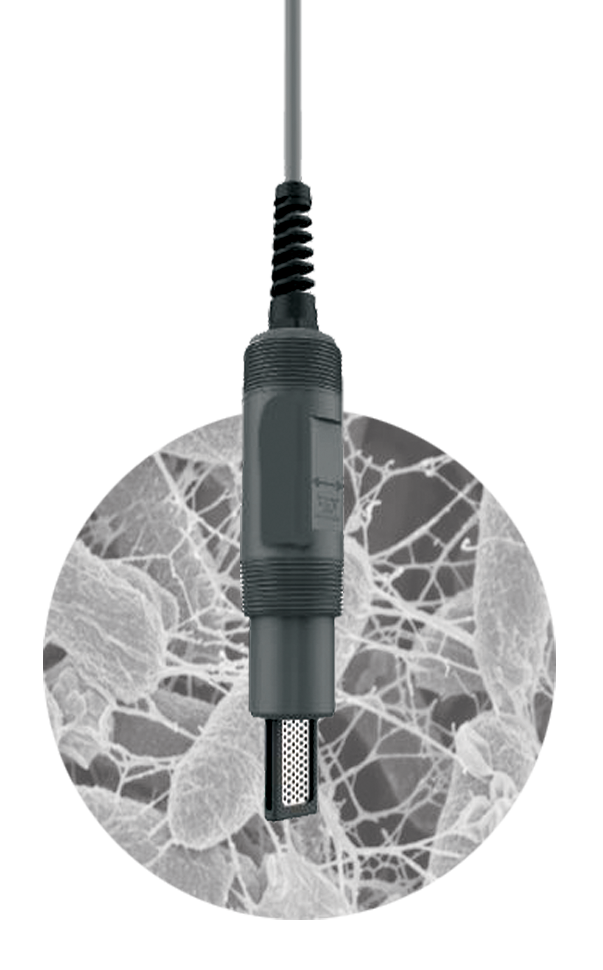
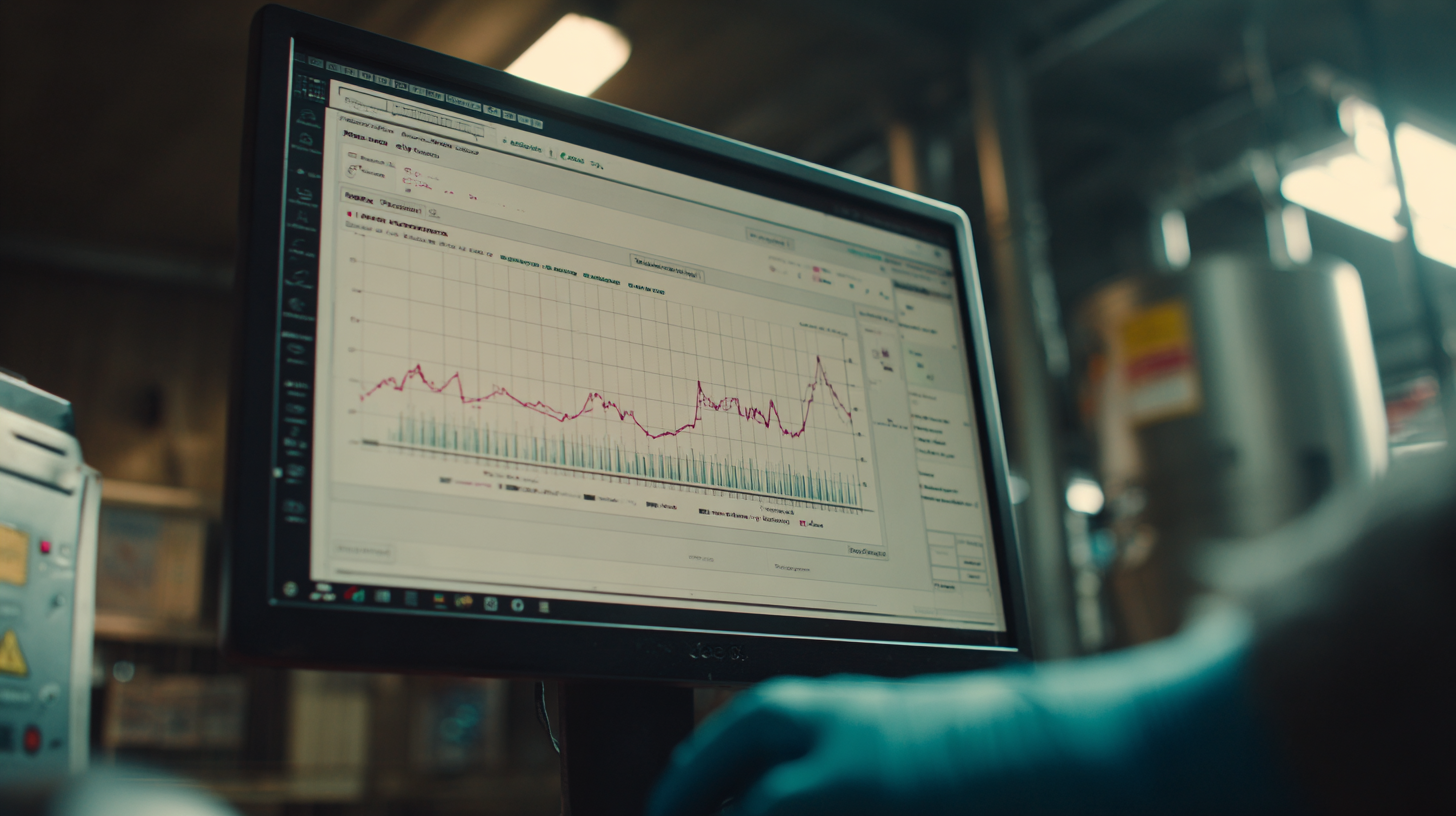
Continuous biological monitoring reduces this gap by providing direct insight into microbial activity as it changes.
Solutions such as ActiSense provide ongoing signals that reflect biological performance within the digester in real-time.
This allows earlier detection of imbalance and more precise operational control.
From Detection to Prevention
Early warning is only useful if it enables earlier intervention.
When biological changes are observed as they occur:
- operational adjustments can be made before inefficiencies become embedded
- process instability can be prevented rather than corrected
- recovery periods can be avoided or reduced
This shifts plant operation from reactive management to controlled performance.
A More Complete Approach to Stability
Digester failure is not unpredictable.
In most cases, the system begins to move away from stable operation before conventional indicators make this visible.
Plants that maintain consistent performance are not necessarily exposed to fewer disturbances. They are able to identify and respond to those disturbances earlier.
This depends on how effectively the biological system is observed.
Conclusion
The early warning signs of digester failure do not appear first in gas production, methane concentration, or periodic laboratory results.
They begin as changes in biological activity that affect conversion efficiency.
As these changes progress, measurable indicators follow.
Where monitoring is periodic, detection occurs after imbalance has developed. Where monitoring is continuous, it can occur earlier.
For operators, the key is not only recognising failure once it becomes visible, but identifying the conditions that lead to it.
From that point, intervention becomes a matter of timing rather than reaction, and stability becomes a controlled outcome rather than a variable one.
Let’s stay in touch: