

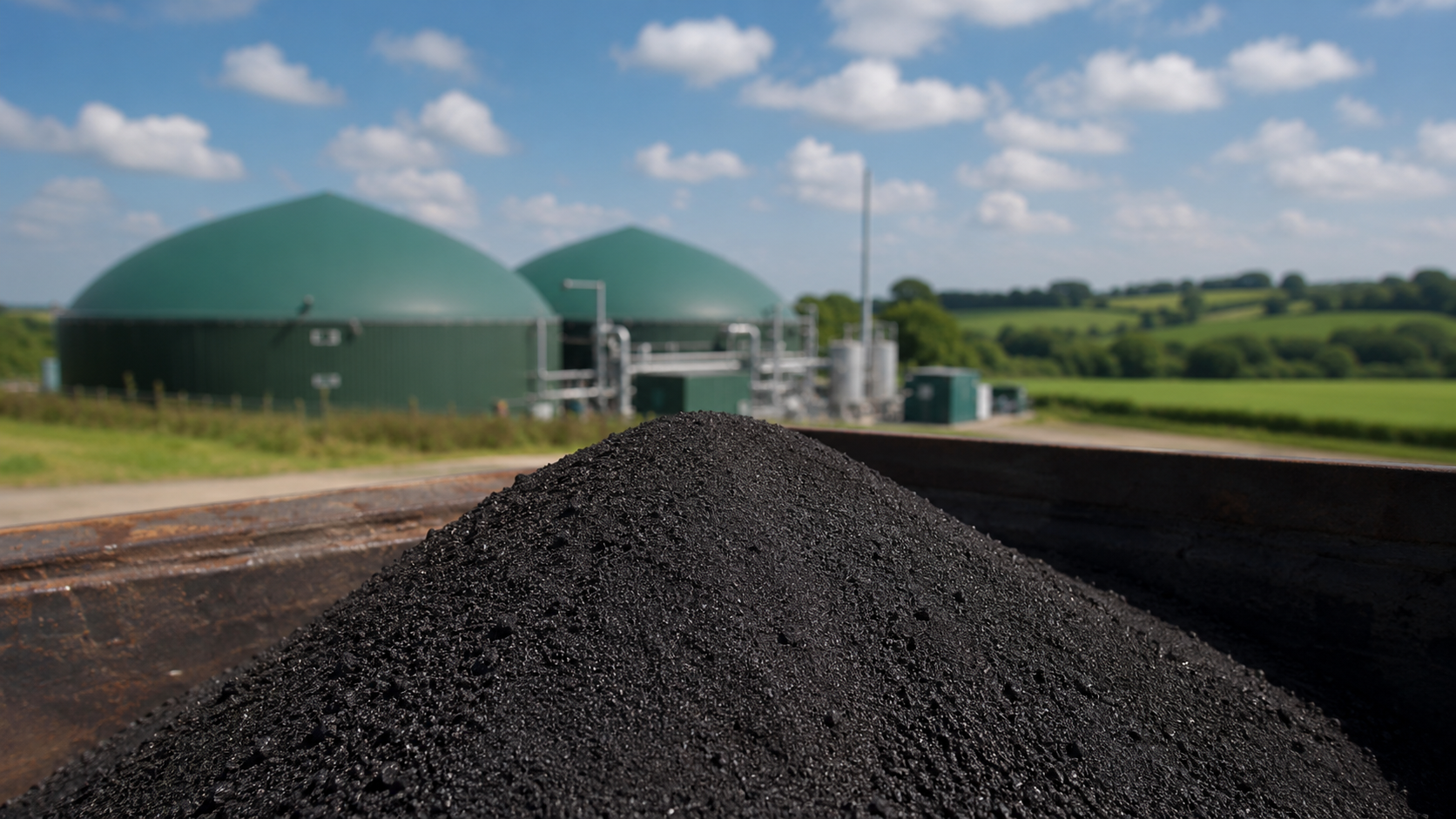
Biogas additives are widely used in anaerobic digestion to improve process stability, support microbial activity, and increase gas production.
These include trace elements, nutrient supplements, enzymes, microbial products, and more recently, biologically active materials designed to improve conversion efficiency within the digester itself.
As feedstocks become more variable and plants push for higher loading rates, additives are playing an increasingly important role in maintaining stable performance.
The question is no longer whether additives can influence digestion.
It is understanding how, when, and under what conditions they produce the greatest effect.
What Biogas Additives Are Designed to Improve
Anaerobic digestion is a biological conversion process.
Organic material is broken down into intermediate compounds before being converted into methane by methanogenic microorganisms. For this process to remain efficient, microbial activity must remain stable across multiple stages simultaneously.
When this balance is maintained, conversion efficiency remains high and gas production stays consistent.
When it is disrupted, performance declines.
Additives are typically introduced to support one or more parts of this process.
In practice, they are often used to:
- support microbial activity
- improve process stability
- reduce inhibition
- maintain conversion efficiency under variable conditions
- increase methane production
In many systems, they can provide measurable operational benefit.
Why Additive Performance Varies Between Plants
The effectiveness of an additive depends on the biological condition of the digester at the time it is applied.
No two digestion systems operate under identical conditions. Feedstock composition, loading rate, retention time, ammonia concentration, and microbial adaptation all influence how the biology responds.
This is why the same additive may produce different outcomes across different plants.
In some systems, the primary limitation may be nutrient availability. In others, the issue may be inhibition, unstable loading conditions, or inefficient intermediate conversion.
The additive itself is only one part of the equation.
The condition of the biological system determines how effectively it can respond.
The Importance of Biological Visibility
This is where monitoring becomes increasingly important.
Most plants assess performance using gas production, methane concentration, pH, and periodic laboratory testing. These indicators are valuable, but they reflect conditions after biological changes have already occurred.
As a result, additives are often applied reactively.
Adjustments are made, results are observed, and further changes follow.
This approach can improve performance, but it limits precision.
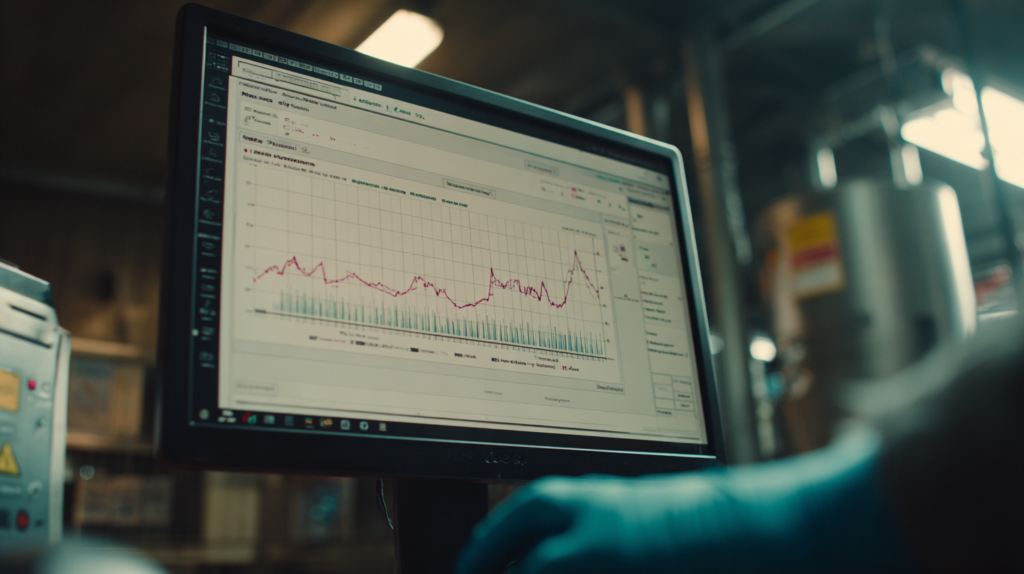
When operators have continuous visibility into biological activity, additive strategies become significantly more effective. Instead of responding after instability develops, interventions can be applied in response to early-stage biological conditions.
This improves both timing and consistency of outcome.
A Shift Towards Functional Additives
Alongside conventional nutrient and trace element products, there is growing interest in functional materials that operate directly within the microbial environment.
Rather than acting purely as supplementary inputs, these materials are designed to influence how efficiently biological conversion takes place inside the digester.
This includes materials that:
- support microbial attachment
- improve interaction between microbial populations
- increase resilience under variable operating conditions
- enhance conversion efficiency within the digestion process
One example is ActiCH4R™ from RAFT Energy.
Rather than functioning as a conventional additive alone, ActiCH4R™ acts as a biologically active support material within the digester environment, improving how effectively organic material is converted into methane.
Performance Under Real Operating Conditions
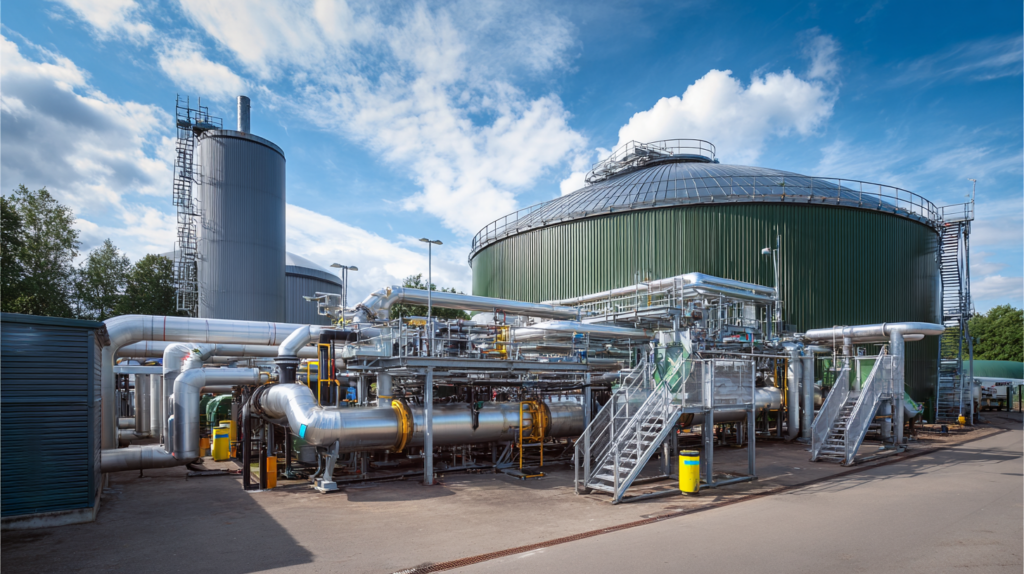
At a food-waste anaerobic digestion facility operating under variable conditions, the introduction of ActiCH4R™ was associated with an increase in biogas production of approximately 20%.
Importantly, this improvement was achieved:
- without additional feedstock input
- without modification to plant equipment
- under existing operating conditions
This reflects a change in conversion efficiency rather than a change in system capacity.
In addition to increased gas production, improved biological stability and reduced process stress indicators were also observed during operation.
From Reactive Addition to Controlled Optimisation
As the sector evolves, additive use is becoming less reactive and more targeted.
Rather than applying products in response to visible decline alone, operators are increasingly using biological data to understand:
- what is limiting performance
- when intervention is required
- how the microbial system is responding over time
This changes how additives are evaluated.
They are no longer viewed simply as external inputs, but as part of a broader strategy for maintaining efficient biological conversion.
Combining Monitoring and Biological Optimisation
The most effective additive strategies are typically supported by continuous biological visibility.
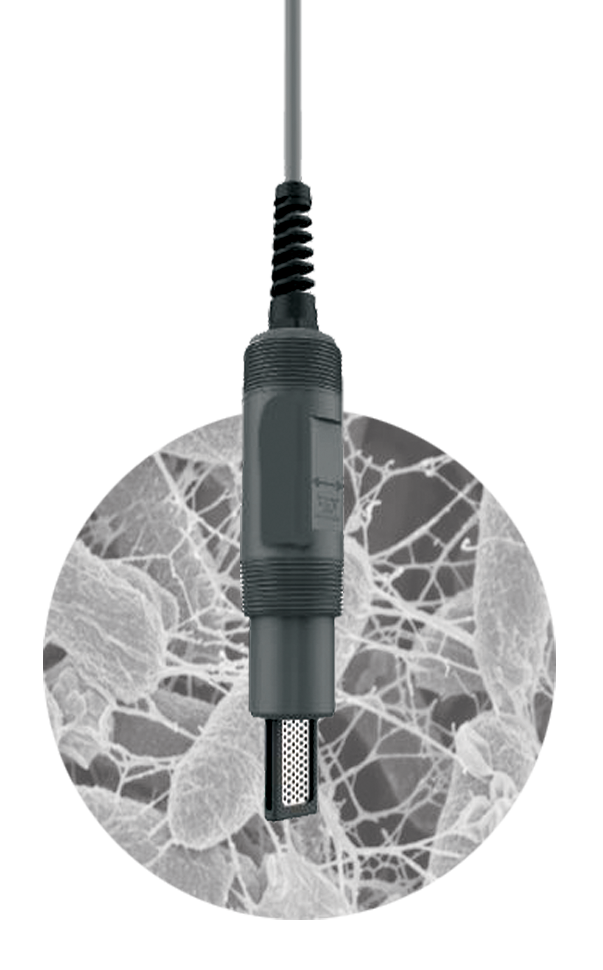
Systems such as ActiSense provide real-time insight into microbial activity and consumable VFA dynamics inside the digester. This allows operators to identify developing stress conditions earlier and apply interventions more precisely.
In practice, this creates a more controlled approach to optimisation:
- biological changes can be detected earlier
- additives can be applied under more appropriate conditions
- process stability can be maintained more consistently
This improves both operational predictability and performance.
A More Complete Approach to Digester Performance
Biogas additives can improve anaerobic digestion performance when they are aligned with the biological requirements of the system.
Their effectiveness is highest when:
- microbial conditions are understood clearly
- interventions are applied at the correct stage
- biological response can be observed continuously
As monitoring capabilities improve, additive strategies are becoming more precise, more measurable, and more integrated into overall plant optimisation.
Conclusion
Biogas additives play an important role in modern anaerobic digestion.
From nutrient balancing and inhibition control through to advanced biological support materials, they can improve stability, increase methane production, and enhance conversion efficiency under real operating conditions.
Their effectiveness, however, depends on understanding the biological system in which they are being applied.
As the sector continues to move towards data-informed optimisation, the combination of continuous biological monitoring and targeted additive strategies is becoming increasingly important.
In this framework, additives are not isolated interventions.
They are part of a broader approach to understanding, stabilising, and improving biological performance over time.